www.theflowerbin.net

www.theflowerbin.net

Tuesday, August 13, 2019

Now’s the time to plant cool season crops


 August is the ideal time for planting greens and root crops. Warm days encourage good growth, while generally cooler nights bring out the flavor of your fall crops. There is a wide variety of vegetables you can grow now, including beets, kale, chard, radishes, spinach, cabbage and broccoli. Fall crops are available as starts or you can plant from seed. Choosing starts will result in faster harvest times for crops such as Cabbage, Kale, Collards and Broccoli. Starts can be found in our Annuals House. 

If you choose to plant from seed, look at the days to maturity information or days to harvest on the package or label. This is roughly the amount of time from planting seeds to picking your crops. The shorter the days to maturity, the faster you’re harvesting. Radishes for example, mature in about 25 days, so if you plant them now, you’ll be picking radishes in less than four weeks.  
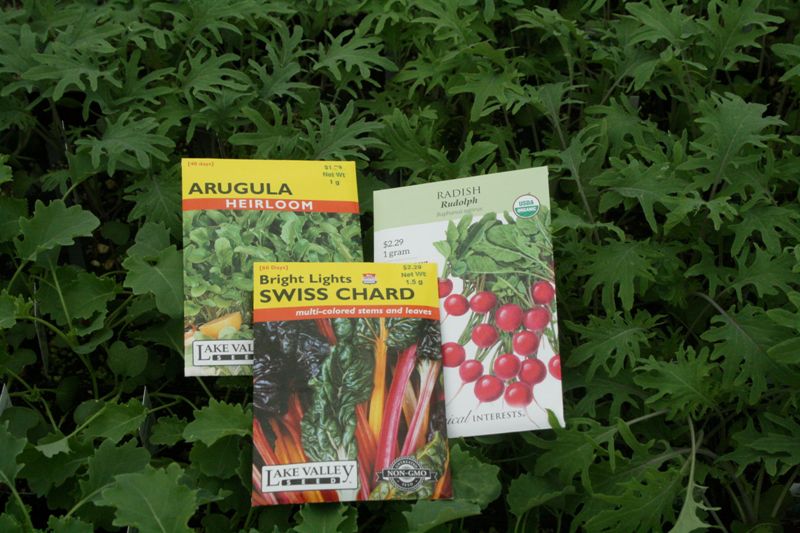
For best success with your second season planting, begin by cleaning up any lingering weeds or vegetation at the planting site, then dig two inches of compost into the site. Sheep, Peat and Compost is a good choice. It’s produced locally and it works to improve your soil.  Summer vegetable crops will have depleted most of the nutrition in your soil, so adding a granular organic fertilizer at this time will keep your cool weather crops going strong. 

Down to Earth Bio-Fish is a good choice. It’s certified organic.  For an extra boost, add a scoop of humate. Humate will help your crops maximize nutrient uptake. Follow package directions for seed planting depth and make sure you take time to mark each row as you plant. Don't have room in the garden? Are your potted petunias and other flowering annuals starting to look tired? Replace them with some Asian greens such as Mizuna or Bok Choy. Asian greens add unusual shapes, textures and spicy flavors to salads. For a longer fall harvest, start seeds every two weeks and keep a frost cloth handy for those nights when cooler temperatures threaten your crop. This will help extend your "greens" garden well into late fall. There's nothing like a dinner salad picked from your own garden.  It's fresh and you know exactly what's in it. 


Tuesday, August 6, 2019

Deadheading and other August Chores


It’s not only what you plant but how you care for your plants that encourages blooming and fruiting through the season.  Keeping your garden looking its best means removing fading and spent flowers, before they begin to form seed pods. In gardening terms it’s called deadheading, which simply means pruning off the old flowers. This keeps the garden neat and promotes additional blooms as well. 

Get in the habit of deadheading while you walk through your garden. It’s easy to carry a pair of light pruners with you as you make your rounds. As you spot a blossom beginning to fade snip or pinch it off. Getting on a problem early is the best way to control it.  With some plants, the heat, insect damage or disease has caused severe damage. Now's the time to prune them hard.  

Check your roses and remove spent blossoms. Do the same for your container plants, including hanging baskets. Continue to feed your baskets and containers every two weeks with ferti-lome 20-20-20.  While you’re at it, take a hard look at your tomatoes and vegetables. Removing dead and diseased leaves on your tomato plants will put more energy into fruit production. 

Recognize common tomato problems such as blossom end rot (use ferti-lome Yield Booster to increase calcium levels) cracking (watch the watering) and yellow shoulders (heat, low Potassium levels, high soil pH).  The best thing to do at this point is to maintain an even watering schedule and use ferti-lome Tomato and Vegetable Food.   As for the rest of the vegetable garden,  heat, wind, uneven watering, poor soil, over fertilizing, insect damage and disease can and will influence your harvest. The best way to determine what's going on is to bring a sample of the plant to our Diagnostic Center, for analysis. We'll determine the actual cause of the problem and recommend a solution.  This is also the time to start planning for a second crop of cool weather vegetables. Peas, radishes, lettuce, kale, spinach and many more cool weather crops can be planted soon, for winter harvest. Walk the garden every day. Time spent deadheading and pruning annuals and perennials will keep the garden colorful and fresh right to the end of the growing season.