www.theflowerbin.net

www.theflowerbin.net

Tuesday, January 17, 2023

House Plants for Low Light Rooms


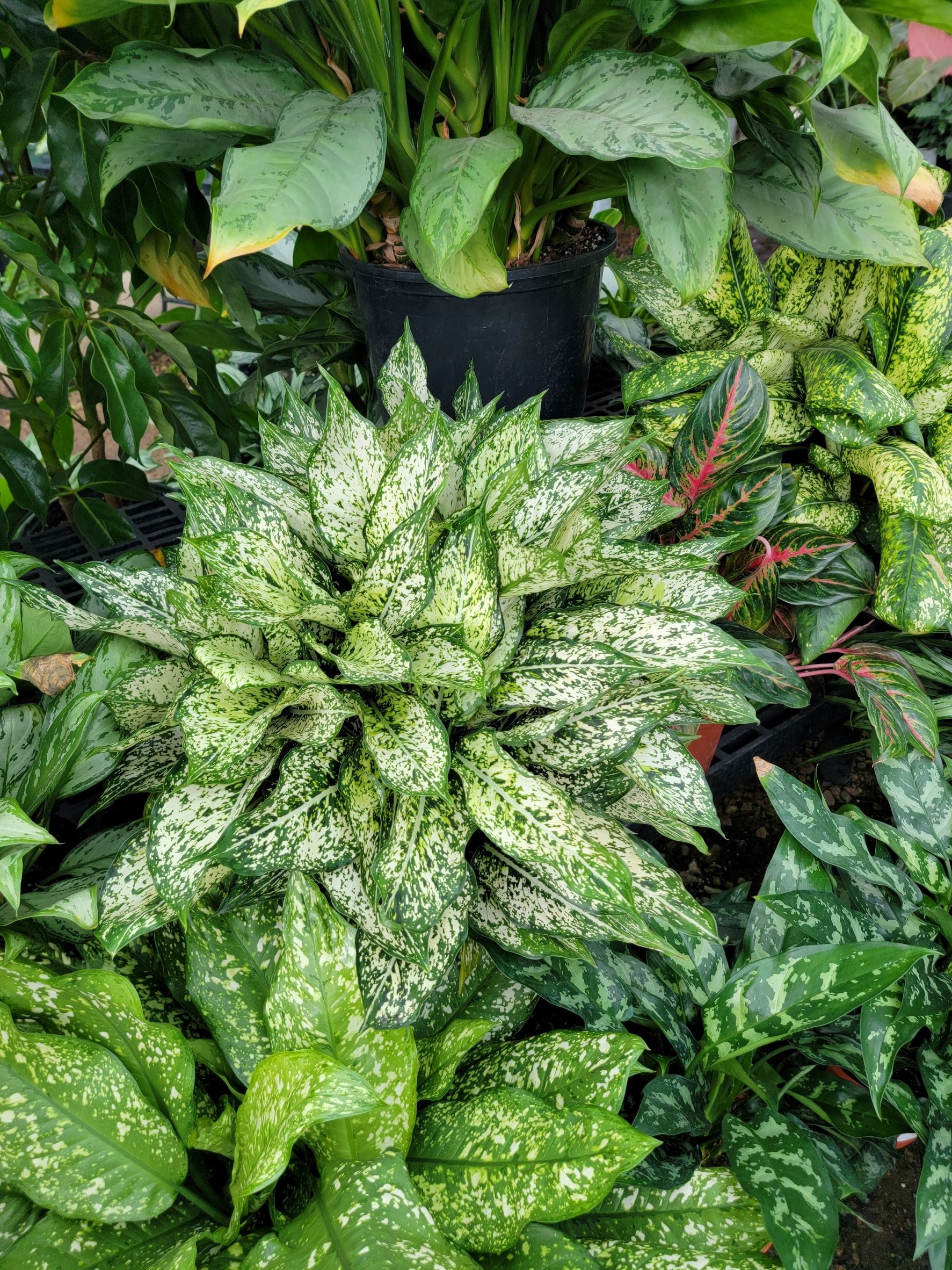
Houseplants benefit us in many ways. They brighten our homes; help change our moods and even clean the air. A common question we get is "will this plant do okay if I don't have a lot of sun light?" To answer the question, it’s important to know that all plants need a consistent source of light. How much light they require depends on where they originated. Many houseplants grow naturally in shaded areas, out of direct sun. They make good choices for areas in our homes or offices that don’t receive a lot of natural light, such as an East-facing or North-facing window. This includes, but isn’t limited to Sansevieria, Aglaonema, ZZ plant, Spathiphyllum and Pothos plants.


The distinct ornamental foliage of Aglaonema or Chinese Evergreens makes them a standout display in your room or office. A slow growing plant, Chinese Evergreens like to be pot bound so don’t be in a hurry to repot them. Water thoroughly, then let the soil dry out slightly before you water again.   


The Snake Plant (Sansevieria)is an easy to grow succulent, very tough and durable and very tolerant of low light.  Some varieties can grow two to three feet tall. Water liberally, then let the soil dry out a little before you water again. This is a great choice if you’re just learning how to care for houseplants.   


The ZZ (Zamioculcas Zamifolia) plant is a slow-growing plant that tolerates less-than-perfect conditions indoors. It does well in low-light areas and tolerates low humidity conditions very well.  


Peace lilies (Spathiphyllum) will produce lush, dark green leaves year-round with minimal light. white, leaf-like flowers, but they make super pretty houseplants even without the blooms. 


Also known as Devils Ivy, pothos is a super easy houseplant that can be grown in a hanging basket or in a pot on the table or desk.  There are many varieties to choose from. 


Artificial light can be added to supplement natural light for a few hours each day. Common types of lighting include LED and fluorescent, as well as incandescent.


When it comes to feeding your houseplants during the winter months, choose a kelp-based, low concentration fertilizer. This will keep the root system strong and support healthy foliage. Plan to feed your plants every three to four weeks.   


These are five good choices for low light conditions. There are many more. Stop by. We’ll be glad to help you pick the plants that will match the conditions in your home and office. 


Tuesday, January 10, 2023

Houseplant Winter care Tips


Tuesday January 10, 2023, marked Houseplant Appreciation Day, an appropriate observation since houseplants help beautify our homes, elevate our mood, and clean the air we breathe. Taking care of your houseplants in the winter is a little different because the days are shorter, there is less natural light, and the air is drier. Keeping these things in mind, here are some tips to keep your houseplants healthy and thriving.


First, compensate for winter’s shorter days by moving your plants to a brighter spot. Not only are there fewer daylight hours during the winter, but the available sunlight is coming from a lower angle. A South or West facing window that may have been too intense during the summer months, could provide bright, indirect light during the winter. If relocating your houseplants is not an option, consider adding supplemental lighting to their current location.  There are a wide variety of plant grow lamps to choose from. Many will fit a standard light socket, making it easy to increase the light levels.


Second, increase the humidity by grouping your houseplants closer together. Placing plants closer together increases the relative humidity. 


Adding a pebble tray will also increase humidity, just make sure the bottom of the pot doesn't touch the water. Placing a room humidifier close to your plants is another way to increase the humidity around your plants.


Third, it’s still important to keep your plants well hydrated.  One way to tell if a plant needs water is to poke your finger into the soil and see how dry it is an inch or two below the surface.  A simple moisture meter will also help you decide when it’s time to water. When it is time, it’s best to use water that's room temperature. An easy way to do this is to fill your watering can the day before you plan to water and let it sit out in the room where your plants are located. Water each plant thoroughly, until you can see water in the saucer below the pot. Wait a few minutes, then dump any excess water from the saucer. It’s important to not let your houseplants sit in water.


When it comes to feeding your houseplants during the winter months, choose a kelp-based, low concentration fertilizer. This will keep the root system strong and support healthy foliage. Plan to feed your plants every three to four weeks.  


Finally, forced air furnaces can deposit dust on the leaves of your houseplants. Keep the foliage clean by wiping the leaves with a soft, damp rag. Small plants can be put in the sink and rinsed off. Use products like Leaf Shine to help keep the leaves clean.  


It's important to check your house plants frequently for insect and disease activities. 


Doing these things will help your plants do their best through the winter season.