www.theflowerbin.net

www.theflowerbin.net

Wednesday, October 11, 2023

Planting Spring Flowering Bulbs


You’ll see them in early spring, often blooming through the snow. Early blooming crocus are a sure sign that spring is on its way. The crocus flowers are soon followed by daffodils, tulips and hyacinths, each bringing its own distinct color to your garden.  
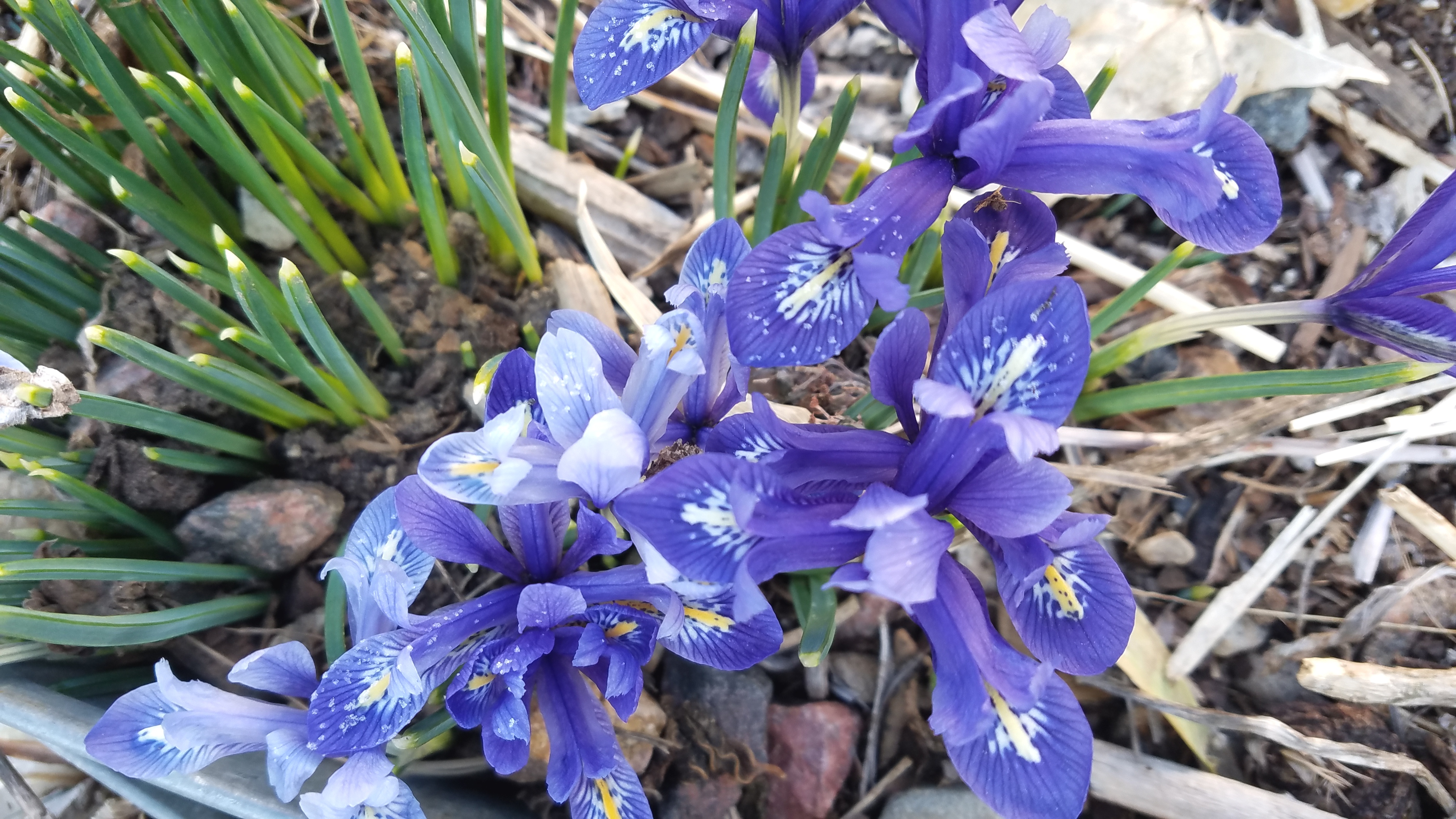


These spring blooms are from hardy bulbs that were planted in the fall.  Planting bulbs is the best way to have a colorful spring garden and now is the time to plant them.  


Bulbs available for planting now are hardy bulbs, which means they are cold-tolerant.  They will survive our winter weather and bloom for many seasons to come.


When it’s time to select the bulbs you’re going to plant, choose bulbs that are firm and light tan in color. If you want a succession of spring colors, choose early, mid and late blooming bulbs, of varying heights. Save the tag or mark the bag so you will remember the variety.


Bloom time is dependent on where you plant your bulbs and how deep you plant them. Bulbs planted near a fence or foundation are going to bloom sooner because the reflected heat warms the soil up. If your bulbs are coming up too early or you want to slow the bloom time, add 2" to 3" of mulch to the bed. To ensure spring blooms, there are a few things you’ll need to know. 


Where you plant your bulbs is important. Bulbs need at least 6 hours of sunlight to bloom properly. You could plant early blooming crocus and tulips in a normally shady spot such as under a tree because crocus and early season tulips will have bloomed before the trees begin to leaf out in the spring. An alternative would be to plant bulbs in pots and move the containers to the sunniest spot in your garden.


As with anything you plant, better soil equals better results, so take time to add amendments to the ground where your bulbs will be planted.  


The amendments for our soils are produced locally, like organic Earth Essentials Sheep, Peat and Compost or Cow and Compost.   


You can use a spade or garden fork to prepare the ground.  Augers and bulb planters are handy tools to have when you're planting your bulbs, especially around existing perennials and shrubs. Bulb planters work best when you’re using them in amended soil.


Add some Dutch Bulb Food to the ground before you place your bulbs, so the roots will grow into the fertilizer. 


Once the site is prepared, place the bulb in the ground with the pointed side up, roots down. With smaller bulbs it may be difficult to tell which side goes up.


One side will generally be flatter than the other. Place the flat side down. As a rule, plant the bulbs three times their height. A 2" tall bulb should be buried 6" deep. Cover the bulbs and mark the spot where they are planted. Water the site thoroughly. Check on your bulbs through the winter and water as necessary. For the best color display, plant bulbs in groups.  


In addition to Daffodils, tulips and hyacinths don’t overlook specialty bulbs such as dwarf iris and Dutch iris, allium and muscari. Planted now, these hardy bulbs will bring color to your spring garden for many seasons to come. 


Wednesday, October 4, 2023

Now’s the Time to Plant Garlic and Onions


Garlic and onions are members of the allium family. They are well suited for planting in the fall and will produce a good crop come late spring into summer. Like other spring flowering bulbs, garlic and onions planted now will set roots and start to grow. As the soil temperature cools down, growth stops. When soil temperatures increase in the spring, the bulb will resume its growth cycle. 


There are many different varieties of garlic, all of which fall into two general categories, softneck and hardneck. Softneck garlic is the kind you will generally find in the grocery store. Softneck garlic has a mild flavor and generally stores well. Soft neck garlics have a flexible stalk which can be braided. 


Hardneck garlic also has a stalk –called a scape- which coils at the top. If left to mature, hardneck garlic will produce a flower which is several small bulbils, or tiny bulbs, which are edible. Hardnecks dry to a hard stem, hence the name. As a group, they have a deeper, richer flavor than softnecks do, but they don’t store as well as softneck garlic. 


Garlic and onions can be planted in traditional rows, in raised beds or scattered randomly in the perennial bed or rose garden.  Whichever you choose, be such and mark the planting site. 


Begin by selecting high quality seed garlic. Garlic purchased in grocery stores is often treated with sprout inhibitors, disrupting the growth cycle. Break the bulb into individual cloves. This is often referred to as “cracking” the bulb. Each clove should produce a bulb of 6-8 cloves. 


Garlic and onions like to be planted in full sun and well-drained soils, so incorporate an organic soil amendment such as Sheep, Peat, and Compost into your planting site. Once the soil has been amended incorporate some Bone Meal or Phosphate into your garlic bed. This will facilitate root development. 


Plant each garlic clove 3” to 4” deep, pointy end up and spaced 6” to 8” apart.  Plant onion bulbs 2” to 3” deep, 4" to 5” apart.  


Garlic needs a cold period of at least 40 days (about 1 and a half months). Otherwise, the bulb won’t set properly. This process is called vernalization, whereby the cold temperatures stress the seed, encouraging it to divide it into separate cloves.  


Come spring, when new shoots are about 3” high, side dress with Blood Meal. At 12-0-0, this will provide the Nitrogen garlic, shallots and onions need to grow and develop. 


Garlic and onions should be mulched in early winter, after the ground freezes. Around Thanksgiving, apply a 4” to 5” layer of mulch to the planting site. The mulch will hold in moisture and keep the ground cold and stable.  Soil Pep is a good choice for mulch as it can be worked into the ground after harvest.   


Softneck garlic planted now will usually be ready for harvest around July 4th. Dig softnecks when the leaves turn brown. Hardneck garlic will mature a little later in the season. They’re ready to harvest when the scapes straighten out.  


Onions are ready to harvest when the tops turn yellow and fall over. Green onions can be harvested earlier, before the bulbs start to form.