www.theflowerbin.net

www.theflowerbin.net

Tuesday, June 28, 2022

 Growing Hardy Lavender in Colorado 

Hardy Lavender is an outstanding addition to your garden, providing seasonal color and fragrance to the landscape as well as providing support for pollinators. There are two types of hardy lavender that do well here: English and French. English lavender - Lavandula angustifolia, includes Munstead, Hidcote, Elegance Purple and Elegance Pink varieties.  


'Hidcote Superior’ is a compact English Lavender that grows only 18-24 inches tall, with highly fragrant, deep purple-blue flowers. An excellent choice for both fresh and dried bouquets, this lavender attracts bees and butterflies but repels deer and rabbits. Blooms during the summer.  


'Munstead' is an English Lavender that has fragrant, cool lavender-blue spikes and gray-green, mounded foliage. Munstead will usually bloom in June and July.  


French lavender (intermedia) includes Grosso, Provence and Fred Boutin. 


‘Grosso’ Lavender is very showy, with large and spiky dark purple blooms set against silver foliage and purple bracts, adding to its colorful presence in the garden. Sometimes referred to as “the lavender of lavenders”, Grosso will bloom through the season. 


Hardy lavender can be planted now and through the fall and does best when planted where it will receive full sun and in soil that drains well. When planting lavender, soil preparation should include the addition of coarse organic material to the planting site. Mountain Magic Soil Pep is a good selection to add to your existing soil because it contains compost and bark fines. Mix Mountain Magic Soil Pep at a 50:50 ratio with the existing soil. We do not recommend adding rock or sand to our typical clay soils. Once the planting site is ready, apply Root Stimulator at the rate of three and a half tablespoons per gallon of water. Root Stimulator should be applied again one month after planting.   


Once established, pruning helps to extend the life of the plant by promoting growth, branching, and blooming.  Because lavender blooms on new stems, pruning should take place when green leaves start to emerge from the base of the plant in the spring. Remove approximately one third of the top. Pruning keeps the plant from splitting open and becoming too woody. As a rule, Lavender does not require fertilizing.  


Use this colorful, aromatic perennial in your herb garden, perennial bed or mixed in your roses. By selecting from a variety of lavenders, you’ll be able to provide interest and support pollinators as well as harvest fresh lavender whenever you choose. 


Tuesday, June 21, 2022

Choosing a Vegetable Garden Fertilizer


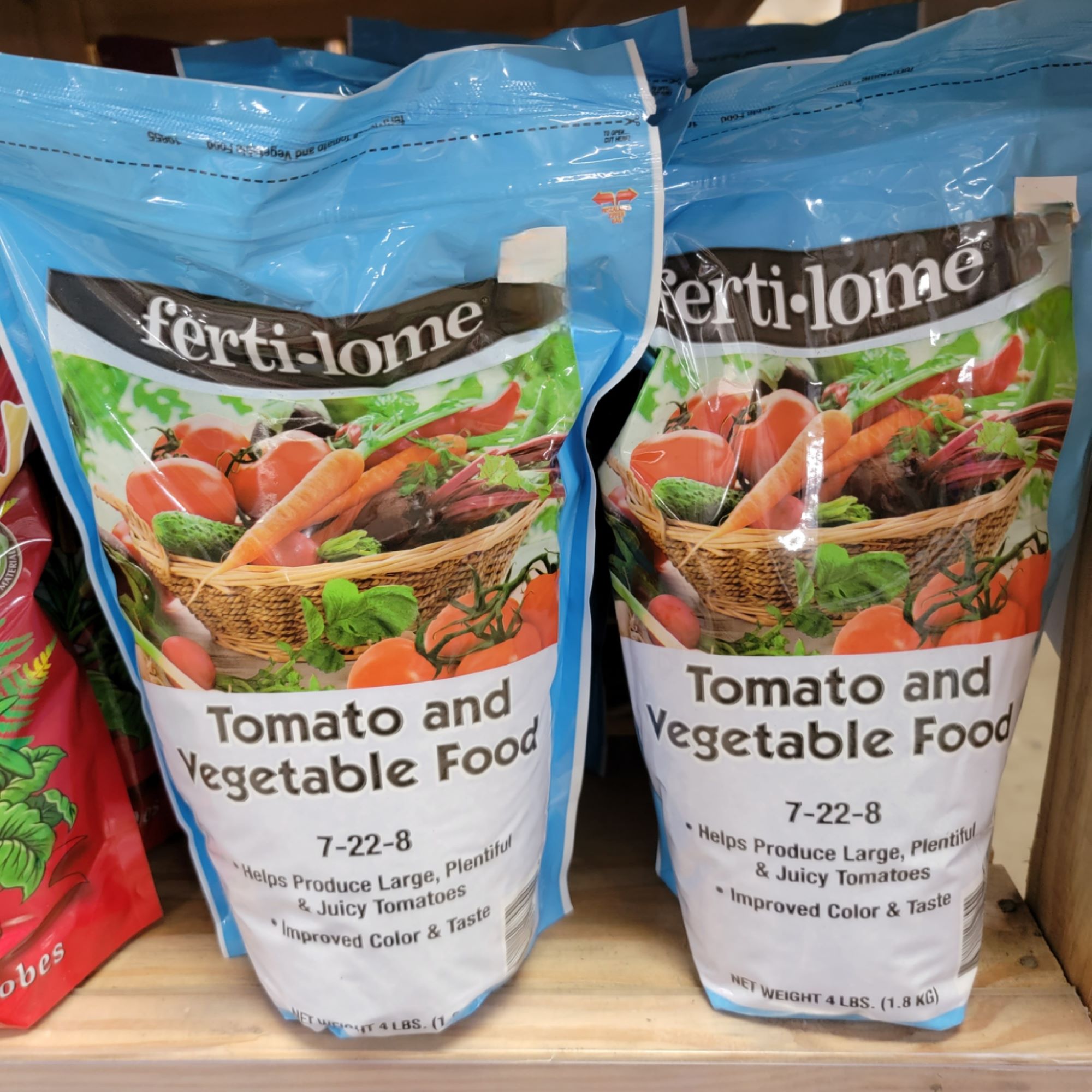
Garden fertilizers fall into two major categories: inorganic and organic. Inorganic fertilizers are manufactured from rock, petroleum and animal sources and are available in many forms, including granular, liquid, pellet and spike.


The nutrients in inorganic fertilizers are concentrated in order to make them quickly available to the plant.  Using inorganic fertilizers is a very effective way to quickly supply nutrients to your tomato and vegetable plants.  


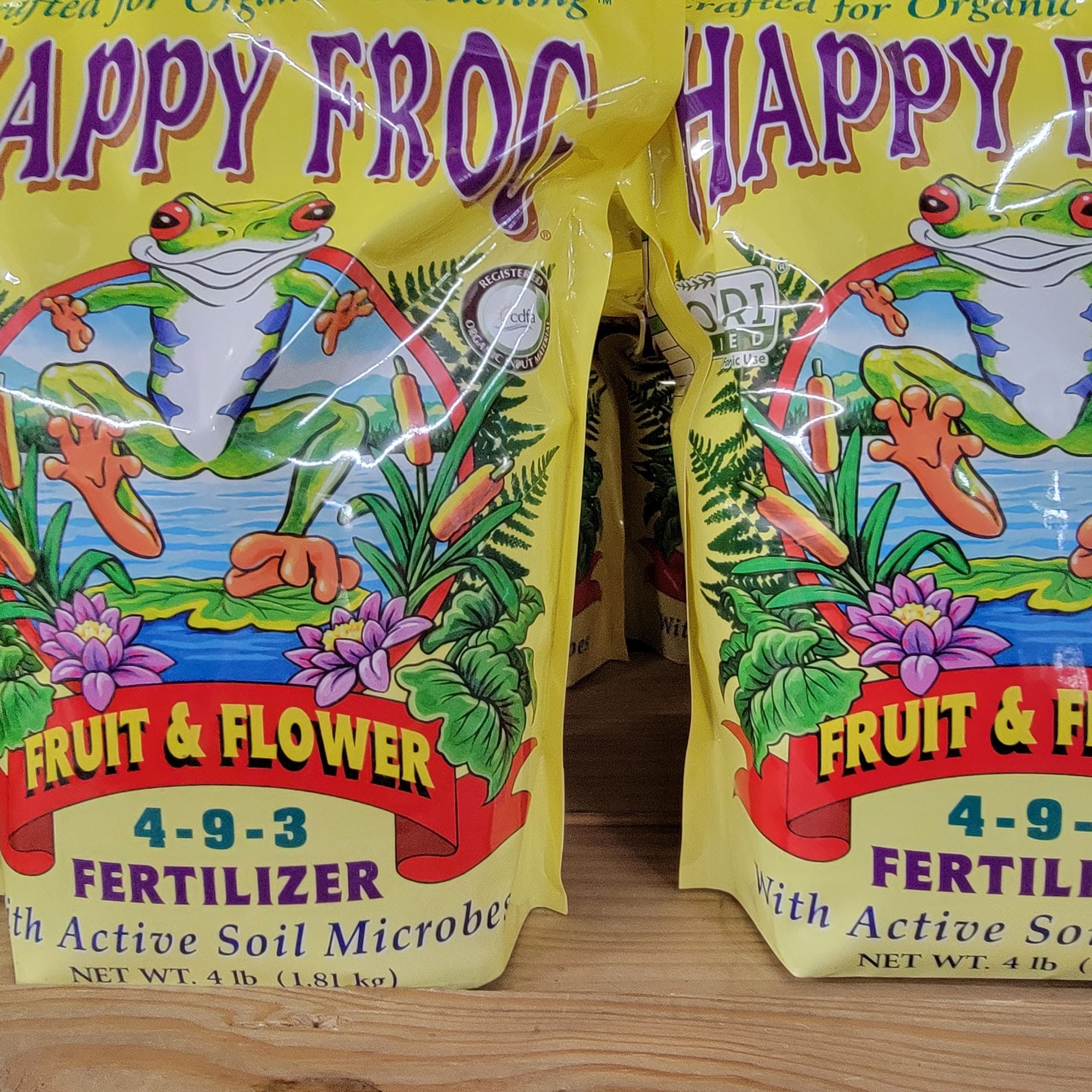
Organic fertilizers are derived from natural sources such as minerals, animal and plant materials. Examples of organic fertilizers include alfalfa meal, oyster shell, bat guano and fish emulsion.  Nutrients are relatively lower in concentration then inorganic fertilizers and are made available slowly through biological processes. 


Every garden fertilizer lists the three major ingredients on the front of the container, in this order: Nitrogen, Phosphate and Potash. The first number on the label is always Nitrogen. Nitrogen promotes plant growth. The second number is Phosphate. Phosphate plays a major role in rooting and blooming. The third number is Potassium. Potassium plays a key role in overall plant development. You may find the major elements of fertilizers expressed as N-P-K. Comparing organic and inorganic fertilizers side by side, organic fertilizers contain numbers such as 5-7-3 or 2-5-3. Inorganic fertilizers will typically have numbers 11-15-11 or 7-22-8.  The number represents the percentage of each major component in the package. Note in each of these examples, the middle number is the highest, putting an emphasis on fruit production rather than plant growth.


Premium organic fertilizers will also contain elements such as Mycorrhizae and Bacillus designed to improve the soil microbiome, as well as enhance nutrient uptake.   


The presence of an OMRI seal on the package is your assurance the product has been certified organic according to the Organic Material Review Board. 


Fertilizers are most effective when plants can absorb them through the roots. Granular fertilizers are typically applied around the base of the plant at the rate of two cups per ten square feet. Liquid fertilizers are mixed and used to water at the base of the plant, being careful to avoid getting the foliage wet. Beyond basic ingredients, fertilizer effectiveness is determined by several factors, including soil structure, soil pH and soil fertility. If you have questions, stop in and let’s have a conversation about which fertilizer is best for your vegetable garden.