www.theflowerbin.net

www.theflowerbin.net

Tuesday, December 4, 2018

Start Bulbs now for Spring Color Indoors


Forcing bulbs in winter is a great way to bring a touch of spring into the house, just when you need it. Forcing bulbs is easy to do and now’s the time to get started. You’ll need a container, some potting soil, bulbs, bulb fertilizer and a cool spot to store the bulbs once they’re planted. 

Begin by selecting a container. Tulips and daffodils will grow equally well in clay, ceramic or plastic pots, as long as the pot has drainage. 

Next, choose the bulbs you want to force. Bulbs should be firm and tan to white in color. Be sure to take a label while you’re at it, so you’ll remember the bulb variety. Fill your container about two thirds full of quality potting soil. 


Add Dutch Bulb Food to your potting mix and you’re ready to plant. Position the bulbs close together, but not touching each other. 


Tulips should be placed with the flat side of the bulb toward the edge of the container. This will allow the first leaves to form a nice border around the edge of the pot. 

Fill in enough soil so just the tips are showing. Water the soil, then place the pot in a cool (35°-45°), dark spot such as a spare refrigerator, unheated garage or basement. Spring flowering bulbs require ten to twelve weeks in cold storage in order to bloom. While the bulbs are chilling, they will form roots, so it’s important to water regularly. After the roots have formed, you’ll see the tips begin to grow. Once the bulb tips are about two inches high, remove the container from cold storage and place in a warm room, with bright, indirect sunlight. 
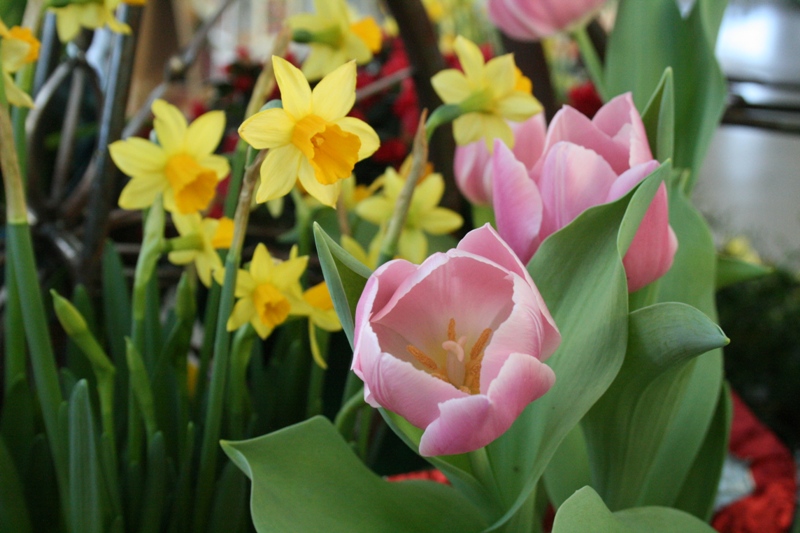
Your bulbs can now be treated as any houseplant; water regularly, feed every two weeks and enjoy your blooms! After blooming, remove the spent flowers, but leave the foliage intact. Bulbs may be planted outside after blooming, once the weather warms up. 


Tuesday, November 27, 2018

Late November Gardening has its benefits


Chilly November mornings quickly turn into warm, late fall days, perfect for spending time in the garden. Even though it’s a quiet time, there’s still things to do in the landscape this time of year including cleaning up any left-over leaves and debris, adding mulch to roses and perennials, spreading soil amendments on the vegetable garden and wrapping up some chores that somehow linger from week to week. 

First of all, gather up any leaves that last week’s high winds blew in. Use them to mulch around herbs, such as Chamomile, mums and other perennials. Fallen leaves can also be used to improve the vegetable garden. Simply scatter them across the top of the beds, then cover with two or three inches of compost. The leaves will break down over the course of the winter, improving soil structure and protecting microbial life. Even if you don’t have any leaves, top dressing your garden beds with organic material this time of year will improve soil health and structure, protect those all-important micro-organisms living in your garden soil and make your spring preparation much easier. 


Bagged compost such as Sheep, Peat and Compost make it easy to add two or three inches of organic material to your beds. A one cubic foot bag of Sheep, Peat compost will cover ten square feet, two inches deep. 


This is a good time to add mulch to your perennials and roses. Four or five inches of mulch will help preserve moisture and keep the ground stable through the winter. Choose from Gorilla Hair Mulch, Western Cedar Mulch or Soil Pep.
While you’re at it, give your roses and perennials a good drink.  As to those lingering chores. There’s still time to wrap young trees to protect them from winter damage. There’s still time to plant some bulbs for spring color. There’s still time to send a soil sample to Colorado State University for testing. 


And there should always be time to spend walking through the garden, enjoy in the ornamental grasses and a colorful mum blooming late in the season.

You may even discover a lady bug enjoying the afternoon sun.  Even in late November, time spent outside is good for you and your garden.