www.theflowerbin.net
www.theflowerbin.net
Traditionally, garlic is planted in the fall, but it can also be planted in the spring and now's the time. Garlic is a member of the allium family, which includes leeks, shallots and onions. There are many different varieties of garlic, all of which fall into three general categories: Softneck, Hardneck and Elephant garlic.
While softneck, hardneck and elephant garlic can all be planted now, generally you're going to find softneck garlic seed is most readily available this time of year. Softneck garlic is the kind you will generally find in the grocery store. The two common types of softneck garlic are artichoke and silverskin. Artichoke varieties include Inchelium Red and Italian Purple. Silverskin varieties include Italian Late, Silver Rose and Nootka Rose. Another advantage of planting softneck garlic in the spring is softneck tends to mature faster than hardneck garlics.
Garlic likes sun and well-drained soils, so begin by choosing a site in your garden which will receive full sun. Next, incorporate a good soil amendment such as Sheep, Peat and Compost into the planting site.
Working some bone meal into the soil at this point, will help your garlic develops strong roots, once you plant the individual cloves. Now that the soil is ready, it's time to prepare the garlic seed bulb for planting.

Begin by separating the individual cloves from the bulb, known as "cracking" the bulb. Start by removing the outer skin, then gently pull the cloves away from each other.
You should end up with a number of cloves. Plant each of these cloves flat side down, pointy side up. Spring planted garlic won't mature as large as fall planted garlic, so it can be planted closer together; 2"-3" apart and about 2" deep.
Garlic will do fine planted in rows, in containers or to fill in that odd shaped spot in the garden.
Because garlic is one of the best companion crops you can grow, you might also consider planting some near your tomatoes or your roses and perennials to help deter insects.
You'll start harvesting spring planted garlic about 12 to 15 weeks from planting. Generally, you’ll find spring planted garlic will not divide into cloves, but the single bulb will still afford you a unique garlic flavor.
As your lawn begins to wake up this spring, there are four things you need to do to get it started right. At the top of your list should be a spring lawn aeration. Aeration is one of the most important steps in maintaining a healthy lawn. The most effective aeration involves removing plugs or "cores" of soil from the lawn.
Core aeration reduces soil compaction and allows air, water and nutrients to reach the root area of your grass. We do not recommend "dethatching" a lawn. Once the lawn has been aerated, the next step is to work on improving the soil your grass is growing in.
Start out with an application of ferti-lome HuMic, a highly concentrated soil conditioner. HuMic helps improve our clay soil structure, enhances nutrient uptake and encourages soil microbial activity.
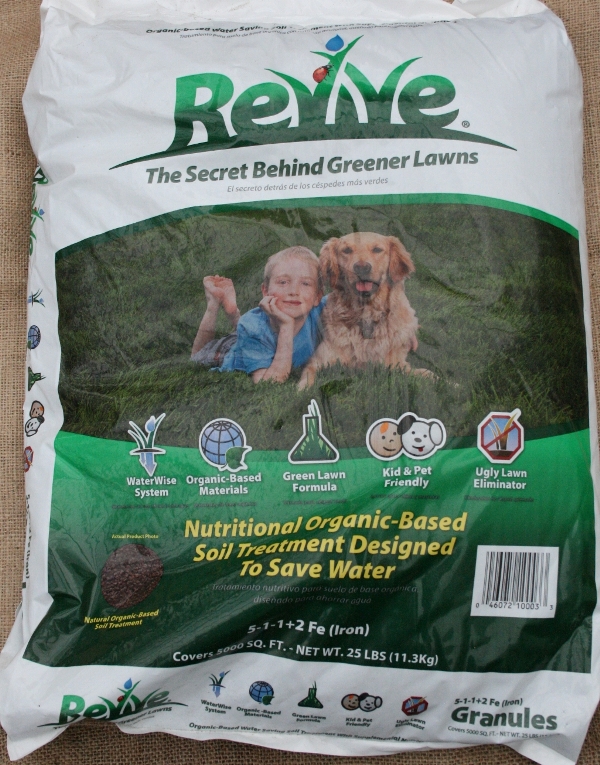
Next, put down some granular Revive®. Organically-based Revive® allows water to penetrate our clay soils more effectively. Once you've aerated your lawn and conditioned the soil, it's time to feed the grass.
Ferti-lome's For All Seasons II fertilizes your lawn and acts against any seed that may have wintered over in your grass. This includes broadleaf and annual weed seeds as well as turf seed you may have sown earlier this spring. Check with us if you're planning to re-seed your lawn. Timing is important when applying For All Seasons II. Pre-emergents need to be down before the ground temperatures get warm enough for seeds to start sprouting. Typically, this is before mid-April. Use a rotary or drop spreader to apply For All Seasons II evenly across your lawn. Next, you must water the lawn in order to activate the pre-emergent. Finally, know what you're dealing with.
These are 2 examples of grasses you may see in your lawn right now. Neither one is "Crabgrass", so crabgrass controls won't work on them. Whether it's weeds, lawn diseases or insect damage, correctly identifying your lawn's problem is key to picking the right solution. Bring a sample of your lawn into our Diagnostic Center for an analysis. Lawn samples should be about as big as a sheet of typing paper with 2" to 3" of soil and include a portion of healthy lawn along with the problem area. After a thorough examination of your lawn sample, we'll be able to recommend solutions to your particular problem. We do not charge a fee for our diagnostic services.

 While softneck, hardneck and elephant garlic can all be planted now, generally you're going to find softneck garlic seed is most readily available this time of year. Softneck garlic is the kind you will generally find in the grocery store. The two common types of softneck garlic are artichoke and silverskin. Artichoke varieties include Inchelium Red and Italian Purple. Silverskin varieties include Italian Late, Silver Rose and Nootka Rose. Another advantage of planting softneck garlic in the spring is softneck tends to mature faster than hardneck garlics.
  Garlic likes sun and well-drained soils, so begin by choosing a site in your garden which will receive full sun. Next, incorporate a good soil amendment such as Sheep, Peat and Compost into the planting site.
  Working some bone meal into the soil at this point, will help your garlic develops strong roots, once you plant the individual cloves. Now that the soil is ready, it's time to prepare the garlic seed bulb for planting.
  You should end up with a number of cloves. Plant each of these cloves flat side down, pointy side up. Spring planted garlic won't mature as large as fall planted garlic, so it can be planted closer together; 2"-3" apart and about 2" deep.
 Garlic will do fine planted in rows, in containers or to fill in that odd shaped spot in the garden.
 Because garlic is one of the best companion crops you can grow, you might also consider planting some near your tomatoes or your roses and perennials to help deter insects.
 You'll start harvesting spring planted garlic about 12 to 15 weeks from planting. Generally, you’ll find spring planted garlic will not divide into cloves, but the single bulb will still afford you a unique garlic flavor.